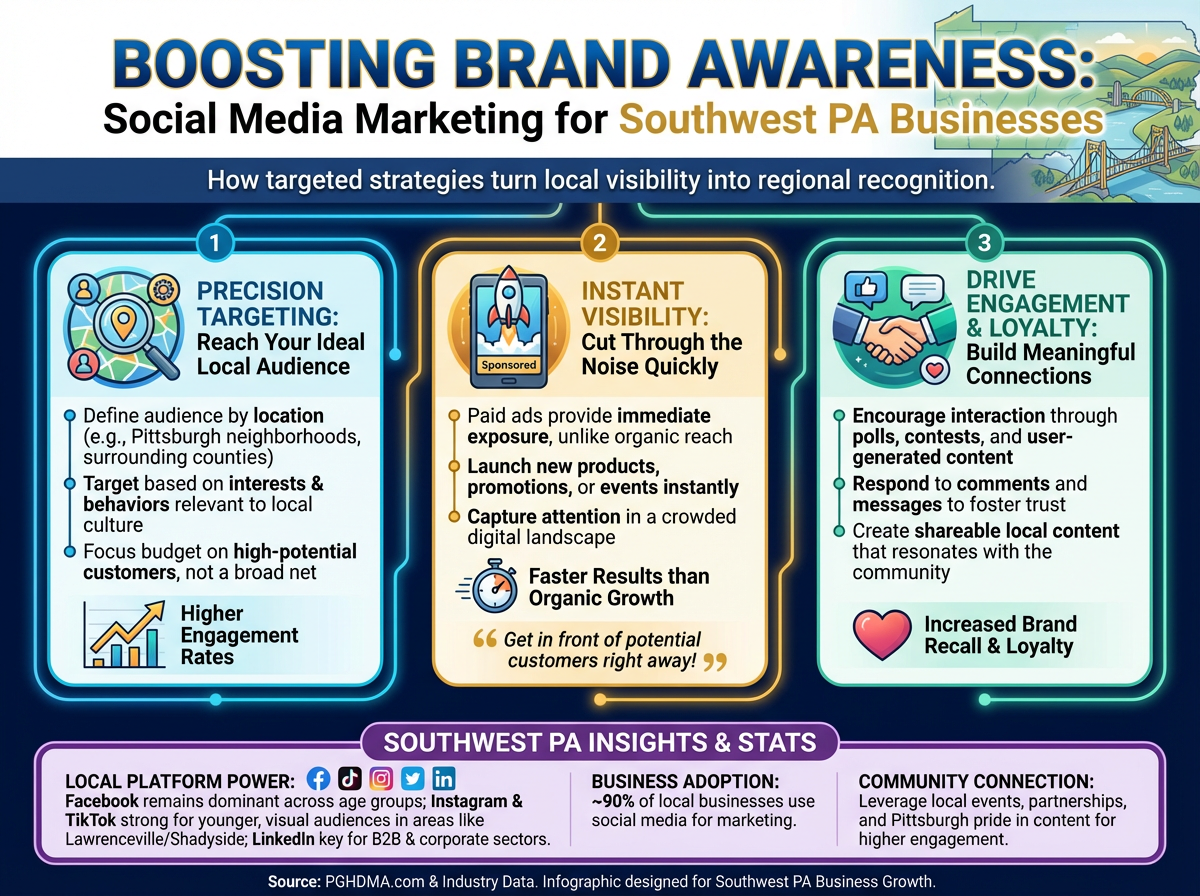
When discussing audience targeting for digital marketing campaigns, Facebook often takes the spotlight. Its detailed targeting options have made it a favorite among marketers. However, Google’s audience targeting capabilities, particularly the Custom Segments feature, can be just as powerful when used correctly. By leveraging app usage, website visits, and behavioral signals, Google allows marketers to craft highly refined campaigns that deliver exceptional results.
What Are Google’s Custom Segments?
Google’s Custom Segments in Google Ads give marketers the ability to create hyper-specific audiences based on multiple behavioral and interest-based signals. These include:
Interests and Purchase Intentions: Reach people actively researching or intending to purchase products or services in your category.
Search Behaviors: Target users who have searched for specific keywords or phrases on Google platforms.
Apps and Websites: Create audiences based on the apps people use or the types of websites they visit.
This level of targeting allows businesses to tap into data-driven insights that reflect real-time user behavior and preferences, making Google a competitive alternative to Facebook.
Why Google’s Targeting Is a Game-Changer
While Facebook excels in demographic and interest-based targeting, Google’s advantage lies in its access to vast amounts of intent-based data from its ecosystem, including search, YouTube, and display networks. Let’s break down some of the key features of Custom Segments and how to use them effectively.
1. Target by Interests and Purchase Intentions
Using this feature, you can create audiences based on broad or niche interests. For example, if you’re a local roofing company, you could target users interested in home improvement or who have recently searched for roofing solutions.
How to Use It:
Identify key customer interests relevant to your business.
Include specific purchase intentions, like “home improvement services” or “roofing repair.”
This ensures your ad reaches users likely to convert.
2. Target by Search Behavior
With Google, you can create audiences based on terms users search for on Google platforms. This allows you to align your campaign with search intent.
How to Use It:
Input search terms or phrases that reflect your ideal customer’s needs. For example, a digital marketing agency might use terms like “best SEO services” or “local PPC management.”
Monitor performance metrics and adjust based on CTRs and conversions.
3. Target by Apps and Website Visits
One of Google’s standout features is its ability to target audiences based on app usage or website visits. For example, if your ideal customer frequently uses fitness apps or visits websites about healthy living, you can include these signals in your targeting.
How to Use It:
Add specific categories or names of apps and websites your audience might interact with.
Use the “expand segment” option to reach similar audiences who exhibit comparable behaviors.
Step-by-Step Guide to Building Custom Segments
Access Custom Segments In Google Ads, navigate to the “Audiences” section and select “Custom Segments.”
Define Your Segment Name Give your audience a descriptive name that aligns with the campaign goal.
Select Targeting Criteria Choose from options such as “People with any of these interests or purchase intentions” or “People who searched for any of these terms on Google.”
Add Behavioral Signals Include interests, search terms, apps, or website behaviors.
Test and Refine Launch your campaign and monitor performance metrics. Adjust audience parameters based on what’s driving engagement and conversions.
Maximizing the Potential of Google Targeting
Google’s audience targeting is especially effective for businesses that want to:
Reach High-Intent Customers: By targeting based on search behavior or purchase intentions, you ensure your ads reach users actively looking for solutions.
Leverage Local Insights: For location-based businesses, Google’s targeting allows you to combine geographic data with behavioral signals.
Optimize Ad Spend: The precision of Google’s custom segments helps minimize waste by narrowing your audience to those most likely to convert.
While Facebook is known for its robust social-based targeting, Google’s audience targeting – especially through Custom Segments – is an equally powerful tool. When used properly, these features allow you to refine your audiences, maximize relevance, and improve ROI.
At Pittsburgh Digital Marketing Agency, we help businesses harness the full potential of tools like Google Ads to craft effective, data-driven campaigns. Ready to take your audience targeting to the next level? Let’s talk about how we can help.
meta platforms, brand, brand awareness, advertising campaign, mobile app, feed, target audience, landing page, graphics, running facebook ads, create facebook ads, run facebook ads, fb ads manager, fb ads, facebookads, facebook audience insights, ads manager tiktok, facebook lead ads, meta ad manager, facebook campaign manager, ads manager, facebook advertising, meta ads, meta ads manager, facebook ad campaign, facebook campaign, carousel ads, lead ads, dynamic product ads, facebook messenger ads, attention, copywriting, search engine, customer, facebook platform, marketing strategy, email address, social media marketing, online advertising, behavior, research, experiment, analytics, aspect ratio, call to action, mobile device, graphic design, social media, policy, search engine optimization, ratio, audience, gender, misinformation, facebook ads manager, meta business, meta technologies, campaign, campaigns, copy, advertising on facebook, users, facebook shop, video ads, facebook ads, facebook business, facebook com ads manager, facebook advertising cost, headline, click fraud, google ads campaign, googleads, google advertising, local service ads, google advertising cost, advertise on google, google local services, google shopping ads, google sponsored ads, adwords, ad manager, google display network, adwords account, ads by google, google advertising services, adwords help, web browser, inventory, revenue, relevance, performance max, skillshop google, google skillshop, adsense, google keywords, shopping ads, identifier, consumer, pittsburgh, reputation management, digital marketing, pittsburgh digital marketing agency, web design, search engine marketing, return on investment, email marketing, reputation, email marketing services, pittsburgh seo company, pittsburgh seo experts, pittsburgh based companies, pittsburgh seo, conversion rate optimization, microsoft advertising, organization, web developer, expert, advertising agency, digital display advertising, content marketing, pricing, link building
Frequently Asked Questions
Are Google Ads and YouTube Ads the same?
Google Ads and YouTube Ads are not the same; however, they are part of the same advertising platform. Google Ads encompasses various types of ads, including search and display, while YouTube Ads specifically target video content on the YouTube platform.
Are Facebook Ads more effective than Google Ads for food products?
The effectiveness of Facebook Ads versus Google Ads for food products depends on your target audience and marketing goals. Facebook Ads excel in visual engagement and targeting interests, while Google Ads can capture intent-driven searches. Both platforms can be effective when used strategically.
Are Google Ads and Google Analytics the same?
Google Ads and Google Analytics are not the same; Google Ads focuses on creating and managing online advertising campaigns, while Google Analytics is used to track and analyze website traffic and user behavior.
Are Google Ads and Facebook Ads competitors or compliments?
Google Ads and Facebook Ads are complementary marketing tools. While they target audiences in different ways, using both can enhance your overall digital marketing strategy by allowing for broader reach and varied engagement across platforms.
What targeting options do Google Ads offer?
Google Ads offers various targeting options, including location targeting, demographic targeting, keyword targeting, and audience targeting, such as Custom Segments and remarketing, allowing businesses to reach specific audiences effectively.
How to optimize Google Ads for local businesses?
Optimizing Google Ads for local businesses involves targeting specific geographic areas, using location-based keywords, and leveraging ad extensions like location and call buttons. Regularly reviewing performance metrics will help refine strategies for maximum local engagement.
What metrics measure Google Ads effectiveness?
The metrics that measure Google Ads effectiveness include click-through rate (CTR), conversion rate, return on ad spend (ROAS), and cost per acquisition (CPA). These indicators help assess the performance and ROI of your advertising campaigns.
How do Google Ads integrate with Facebook Ads?
The integration of Google Ads and Facebook Ads allows businesses to create cohesive marketing strategies. By sharing audience insights, leveraging remarketing techniques, and using consistent messaging across both platforms, advertisers can enhance their targeting and drive more effective campaigns.
What budget is suitable for Google Ads?
The suitable budget for Google Ads varies based on your business goals, industry, and competitiveness. Generally, starting with a budget of at least $500 per month is advisable, allowing for effective testing and optimization of your campaigns.
How to improve CTR for Google Ads?
Improving CTR for Google Ads involves crafting compelling ad copy, utilizing relevant keywords, optimizing landing pages for user experience, and employing strong calls-to-action. Regularly analyzing performance data and A/B testing different elements can further enhance click-through rates.
What are the main benefits of Google Ads?
The main benefits of Google Ads are its ability to reach a vast audience, targeted advertising through customizable segments, measurable results, and flexible budgeting options, helping businesses achieve timely and effective marketing outcomes.
How often should I update Google Ads?
Updating Google Ads regularly is essential to ensure optimal performance. Aim to review and adjust your campaigns at least every couple of weeks, or immediately after significant market changes or performance shifts.
What industries benefit most from Google Ads?
The industries that benefit most from Google Ads include e-commerce, travel, healthcare, real estate, and education, as they effectively leverage targeted advertising to reach specific audiences, driving increased conversions and customer engagement.
How to track conversions in Google Ads?
Tracking conversions in Google Ads involves setting up conversion actions in your account, using the 'Tools & Settings' menu to define what constitutes a conversion, and implementing the provided tracking code on your website or app to monitor user actions effectively.
Can Google Ads boost website traffic?
Google Ads can significantly boost website traffic by targeting specific audiences with tailored ads that align with their interests and search behaviors, driving more qualified visitors to your site.
What are Google Ads bidding strategies?
Google Ads bidding strategies determine how advertisers pay for their ads to achieve specific campaign goals. These strategies include options like manual bidding, automated bidding, target CPA, and maximize conversions, allowing businesses to optimize performance based on their objectives.
How to create compelling ad copy for Google Ads?
Creating compelling ad copy for Google Ads involves using clear language, highlighting unique selling points, and incorporating strong calls-to-action. Focus on your target audience's needs and utilize relevant keywords to enhance visibility and engagement.
What mistakes to avoid with Google Ads?
The mistakes to avoid with Google Ads include targeting too broad of an audience, neglecting negative keywords, failing to optimize ad copy, and not utilizing ad extensions. These missteps can waste budget and diminish campaign effectiveness.
How does audience segmentation work in Google Ads?
Audience segmentation in Google Ads allows marketers to categorize their target audience based on specific traits and behaviors, such as interests, demographics, and search patterns, enabling tailored ad delivery for increased campaign effectiveness.
What types of ads can I create with Google Ads?
The types of ads you can create with Google Ads include search ads, display ads, shopping ads, video ads, and app ads. Each format serves different marketing goals and can help effectively reach your target audience.
How to analyze competitor Google Ads strategies?
Analyzing competitor Google Ads strategies involves reviewing their ad copy, keywords, and target audiences. Use tools like SEMrush or SpyFu to gain insights into their PPC campaigns and identify strengths and weaknesses to refine your own approach.
What is the impact of keywords on Google Ads?
The impact of keywords on Google Ads is significant, as they determine which search queries trigger your ads, affecting visibility and click-through rates. Well-chosen keywords enhance targeting precision, ensuring your ads reach the most relevant audience for better campaign performance.
Can small businesses succeed with Google Ads?
Small businesses can indeed succeed with Google Ads. By leveraging targeted campaigns and optimizing their budgets, they can effectively reach their desired audience, drive traffic, and achieve measurable results in their digital marketing efforts.
How to calculate ROI for Google Ads?
Calculating ROI for Google Ads involves determining the return on investment generated from your advertising spend. To do this, subtract the total cost of your ads from the total revenue generated, then divide that number by the total ad spend and multiply by 100 to get a percentage.
What role does landing page play in Google Ads?
The role of a landing page in Google Ads is crucial, as it directly impacts conversion rates by providing a focused user experience that aligns with the ad's message, ultimately enhancing campaign effectiveness and ROI.
How to implement A/B testing in Google Ads?
Implementing A/B testing in Google Ads involves creating two or more variations of an ad, then running them simultaneously to compare performance metrics. Analyze the results to identify which ad drives better engagement and conversions, optimizing your campaigns accordingly.
What is the significance of ad rank in Google Ads?
The significance of ad rank in Google Ads lies in its role in determining the position of your ads on search results pages. Higher ad rank improves visibility, leading to better click-through rates and potential conversions.
How to leverage seasonal trends in Google Ads?
Leveraging seasonal trends in Google Ads involves identifying key seasonal events relevant to your audience, adjusting your campaigns to highlight those moments, and utilizing ad scheduling to maximize visibility during peak times for increased engagement and conversions.
What are the advantages of using Google Ads?
The advantages of using Google Ads include precise audience targeting, measurable campaign performance, extensive reach across various platforms, and flexibility in budget management, allowing businesses to effectively connect with potential customers and optimize their advertising efforts.
How to adjust Google Ads for mobile users?
Adjusting Google Ads for mobile users involves optimizing your campaigns by using responsive ads, modifying bids for mobile devices, and utilizing mobile-specific extensions. Focus on mobile-friendly landing pages to enhance user experience and conversion rates.
meta platforms, brand, brand awareness, advertising campaign, mobile app, feed, target audience, landing page, graphics, running facebook ads, create facebook ads, run facebook ads, fb ads manager, fb ads, facebookads, facebook audience insights, ads manager tiktok, facebook lead ads, meta ad manager, facebook campaign manager, ads manager, facebook advertising, meta ads, meta ads manager, facebook ad campaign, facebook campaign, carousel ads, lead ads, dynamic product ads, facebook messenger ads, attention, copywriting, search engine, customer, facebook platform, marketing strategy, email address, social media marketing, online advertising, behavior, research, experiment, analytics, aspect ratio, call to action, mobile device, graphic design, social media, policy, search engine optimization, ratio, audience, gender, misinformation, facebook ads manager, meta business, meta technologies, campaign, campaigns, copy, advertising on facebook, users, facebook shop, video ads, facebook ads, facebook business, facebook com ads manager, facebook advertising cost, headline, click fraud, google ads campaign, googleads, google advertising, local service ads, google advertising cost, advertise on google, google local services, google shopping ads, google sponsored ads, adwords, ad manager, google display network, adwords account, ads by google, google advertising services, adwords help, web browser, inventory, revenue, relevance, performance max, skillshop google, google skillshop, adsense, google keywords, shopping ads, identifier, consumer, pittsburgh, reputation management, digital marketing, pittsburgh digital marketing agency, web design, search engine marketing, return on investment, email marketing, reputation, email marketing services, pittsburgh seo company, pittsburgh seo experts, pittsburgh based companies, pittsburgh seo, conversion rate optimization, microsoft advertising, organization, web developer, expert, advertising agency, digital display advertising, content marketing, pricing, link building
Frequently Asked Questions
Are Google Ads and YouTube Ads the same?
Google Ads and YouTube Ads are not the same; however, they are part of the same advertising platform. Google Ads encompasses various types of ads, including search and display, while YouTube Ads specifically target video content on the YouTube platform.
Are Facebook Ads more effective than Google Ads for food products?
The effectiveness of Facebook Ads versus Google Ads for food products depends on your target audience and marketing goals. Facebook Ads excel in visual engagement and targeting interests, while Google Ads can capture intent-driven searches. Both platforms can be effective when used strategically.
Are Google Ads and Google Analytics the same?
Google Ads and Google Analytics are not the same; Google Ads focuses on creating and managing online advertising campaigns, while Google Analytics is used to track and analyze website traffic and user behavior.
Are Google Ads and Facebook Ads competitors or compliments?
Google Ads and Facebook Ads are complementary marketing tools. While they target audiences in different ways, using both can enhance your overall digital marketing strategy by allowing for broader reach and varied engagement across platforms.
What targeting options do Google Ads offer?
Google Ads offers various targeting options, including location targeting, demographic targeting, keyword targeting, and audience targeting, such as Custom Segments and remarketing, allowing businesses to reach specific audiences effectively.
How to optimize Google Ads for local businesses?
Optimizing Google Ads for local businesses involves targeting specific geographic areas, using location-based keywords, and leveraging ad extensions like location and call buttons. Regularly reviewing performance metrics will help refine strategies for maximum local engagement.
What metrics measure Google Ads effectiveness?
The metrics that measure Google Ads effectiveness include click-through rate (CTR), conversion rate, return on ad spend (ROAS), and cost per acquisition (CPA). These indicators help assess the performance and ROI of your advertising campaigns.
How do Google Ads integrate with Facebook Ads?
The integration of Google Ads and Facebook Ads allows businesses to create cohesive marketing strategies. By sharing audience insights, leveraging remarketing techniques, and using consistent messaging across both platforms, advertisers can enhance their targeting and drive more effective campaigns.
What budget is suitable for Google Ads?
The suitable budget for Google Ads varies based on your business goals, industry, and competitiveness. Generally, starting with a budget of at least $500 per month is advisable, allowing for effective testing and optimization of your campaigns.
How to improve CTR for Google Ads?
Improving CTR for Google Ads involves crafting compelling ad copy, utilizing relevant keywords, optimizing landing pages for user experience, and employing strong calls-to-action. Regularly analyzing performance data and A/B testing different elements can further enhance click-through rates.
What are the main benefits of Google Ads?
The main benefits of Google Ads are its ability to reach a vast audience, targeted advertising through customizable segments, measurable results, and flexible budgeting options, helping businesses achieve timely and effective marketing outcomes.
How often should I update Google Ads?
Updating Google Ads regularly is essential to ensure optimal performance. Aim to review and adjust your campaigns at least every couple of weeks, or immediately after significant market changes or performance shifts.
What industries benefit most from Google Ads?
The industries that benefit most from Google Ads include e-commerce, travel, healthcare, real estate, and education, as they effectively leverage targeted advertising to reach specific audiences, driving increased conversions and customer engagement.
How to track conversions in Google Ads?
Tracking conversions in Google Ads involves setting up conversion actions in your account, using the 'Tools & Settings' menu to define what constitutes a conversion, and implementing the provided tracking code on your website or app to monitor user actions effectively.
Can Google Ads boost website traffic?
Google Ads can significantly boost website traffic by targeting specific audiences with tailored ads that align with their interests and search behaviors, driving more qualified visitors to your site.
What are Google Ads bidding strategies?
Google Ads bidding strategies determine how advertisers pay for their ads to achieve specific campaign goals. These strategies include options like manual bidding, automated bidding, target CPA, and maximize conversions, allowing businesses to optimize performance based on their objectives.
How to create compelling ad copy for Google Ads?
Creating compelling ad copy for Google Ads involves using clear language, highlighting unique selling points, and incorporating strong calls-to-action. Focus on your target audience's needs and utilize relevant keywords to enhance visibility and engagement.
What mistakes to avoid with Google Ads?
The mistakes to avoid with Google Ads include targeting too broad of an audience, neglecting negative keywords, failing to optimize ad copy, and not utilizing ad extensions. These missteps can waste budget and diminish campaign effectiveness.
How does audience segmentation work in Google Ads?
Audience segmentation in Google Ads allows marketers to categorize their target audience based on specific traits and behaviors, such as interests, demographics, and search patterns, enabling tailored ad delivery for increased campaign effectiveness.
What types of ads can I create with Google Ads?
The types of ads you can create with Google Ads include search ads, display ads, shopping ads, video ads, and app ads. Each format serves different marketing goals and can help effectively reach your target audience.
How to analyze competitor Google Ads strategies?
Analyzing competitor Google Ads strategies involves reviewing their ad copy, keywords, and target audiences. Use tools like SEMrush or SpyFu to gain insights into their PPC campaigns and identify strengths and weaknesses to refine your own approach.
What is the impact of keywords on Google Ads?
The impact of keywords on Google Ads is significant, as they determine which search queries trigger your ads, affecting visibility and click-through rates. Well-chosen keywords enhance targeting precision, ensuring your ads reach the most relevant audience for better campaign performance.
Can small businesses succeed with Google Ads?
Small businesses can indeed succeed with Google Ads. By leveraging targeted campaigns and optimizing their budgets, they can effectively reach their desired audience, drive traffic, and achieve measurable results in their digital marketing efforts.
How to calculate ROI for Google Ads?
Calculating ROI for Google Ads involves determining the return on investment generated from your advertising spend. To do this, subtract the total cost of your ads from the total revenue generated, then divide that number by the total ad spend and multiply by 100 to get a percentage.
What role does landing page play in Google Ads?
The role of a landing page in Google Ads is crucial, as it directly impacts conversion rates by providing a focused user experience that aligns with the ad's message, ultimately enhancing campaign effectiveness and ROI.
How to implement A/B testing in Google Ads?
Implementing A/B testing in Google Ads involves creating two or more variations of an ad, then running them simultaneously to compare performance metrics. Analyze the results to identify which ad drives better engagement and conversions, optimizing your campaigns accordingly.
What is the significance of ad rank in Google Ads?
The significance of ad rank in Google Ads lies in its role in determining the position of your ads on search results pages. Higher ad rank improves visibility, leading to better click-through rates and potential conversions.
How to leverage seasonal trends in Google Ads?
Leveraging seasonal trends in Google Ads involves identifying key seasonal events relevant to your audience, adjusting your campaigns to highlight those moments, and utilizing ad scheduling to maximize visibility during peak times for increased engagement and conversions.
What are the advantages of using Google Ads?
The advantages of using Google Ads include precise audience targeting, measurable campaign performance, extensive reach across various platforms, and flexibility in budget management, allowing businesses to effectively connect with potential customers and optimize their advertising efforts.
How to adjust Google Ads for mobile users?
Adjusting Google Ads for mobile users involves optimizing your campaigns by using responsive ads, modifying bids for mobile devices, and utilizing mobile-specific extensions. Focus on mobile-friendly landing pages to enhance user experience and conversion rates.